🚀 Background
Diabetes remains one of the most pressing global health challenges, affecting 1 in 9 adults worldwide and ranking among the leading causes of death. While diagnosis is often straightforward, gaps in early detection—particularly in cases such as prediabetes or gestational diabetes—continue to impact long-term health outcomes.
In Ireland, the absence of a national diabetes registry further limits large-scale data collection and proactive intervention strategies, creating an opportunity for innovation within the healthcare system.
CoachesLouise Kirke - Lectuerer, University College Dublin
Timeline - 8 WeeksDistintcino
Business Goal
reduce long-term claims and healthcare costs by enabling earlier detection of diabetes through Accessible, Low-Effort Voice acoustic analysis screening—while simultaneously improving member outcomes and engagement.
👔 Executive Summary
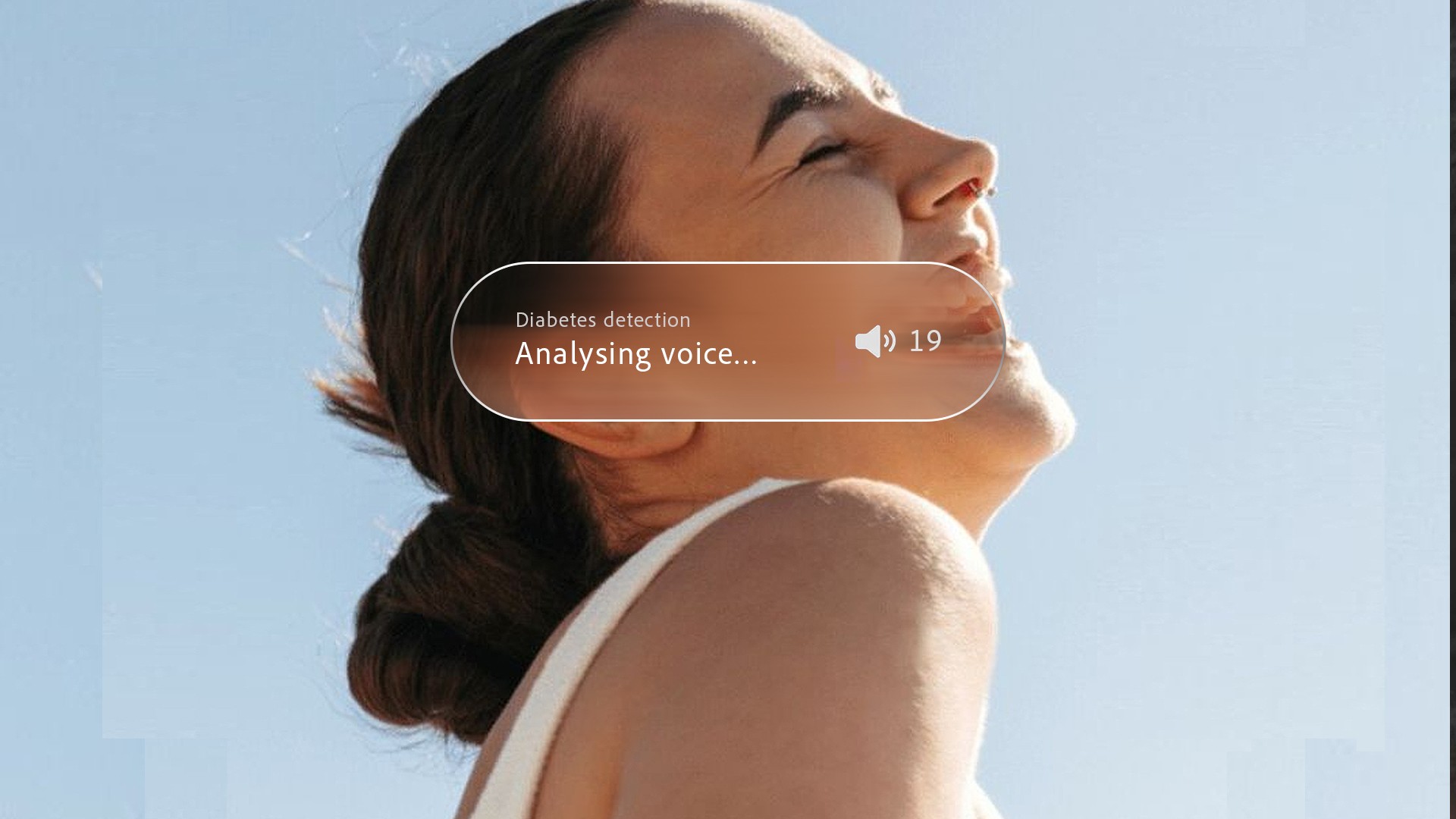
This project explores how Laya Healthcare, in collaboration with Klick Labs, could develop an internal AI-powered product capable of detecting early indicators of Type 2 diabetes through voice acoustic analysis.
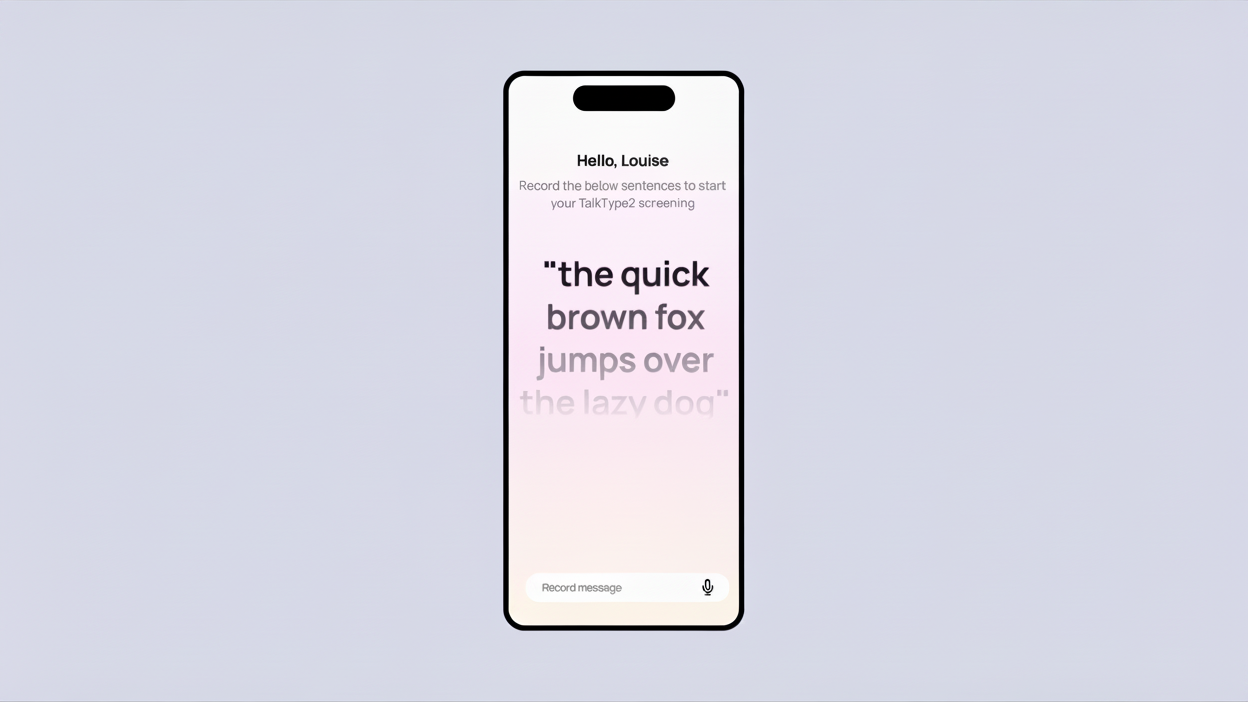
Using just a 10-second voice sample, the product would enable non-invasive, real-time screening—integrated seamlessly into:
- Customer service interactions (call centres)
- Existing mobile app experiences
This approach positions preventative care as frictionless, scalable, and embedded within everyday user touchpoints.
🔑 Key Success Factors
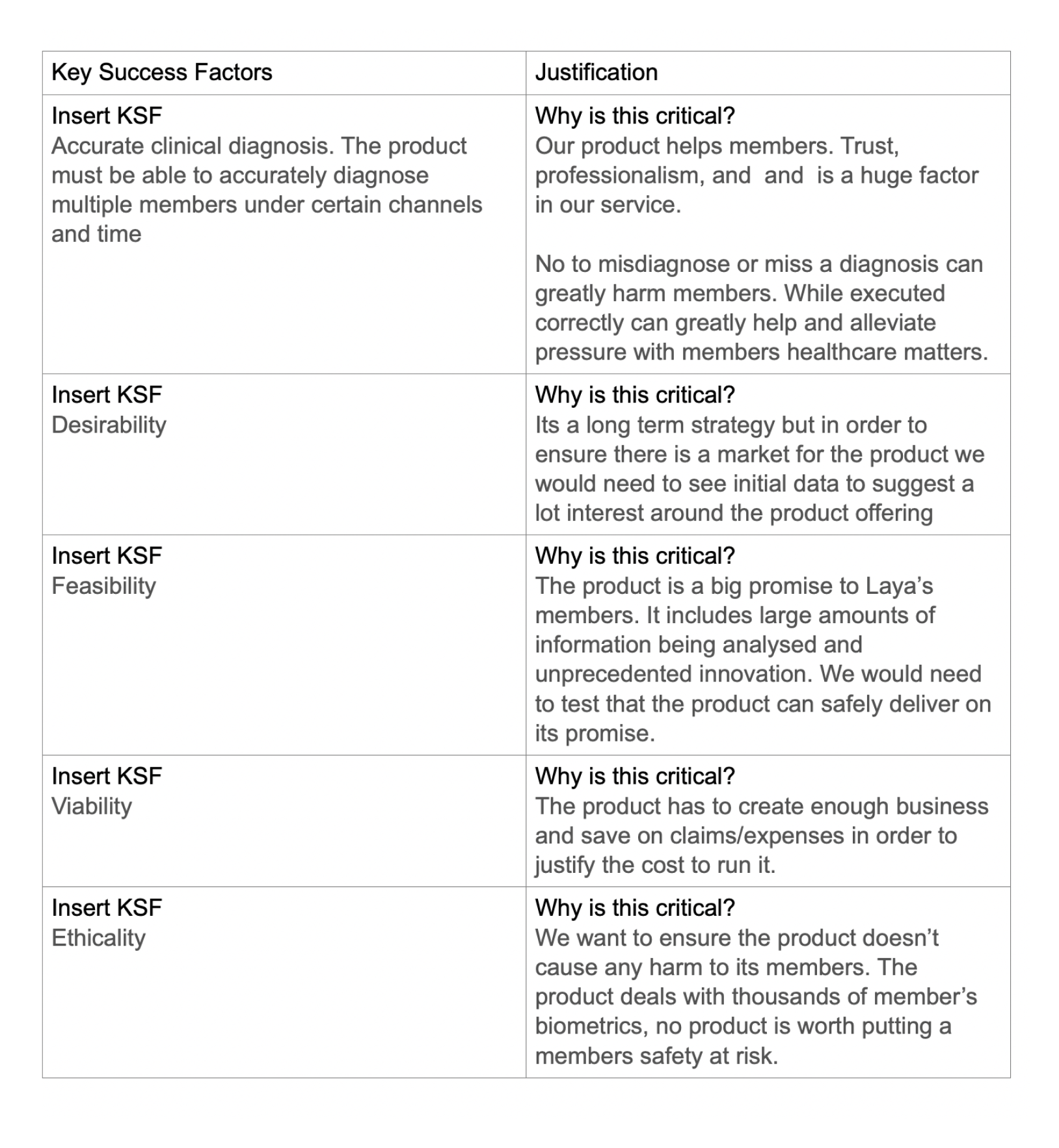
The success of this product is dependent on several critical factors:
📝 Product
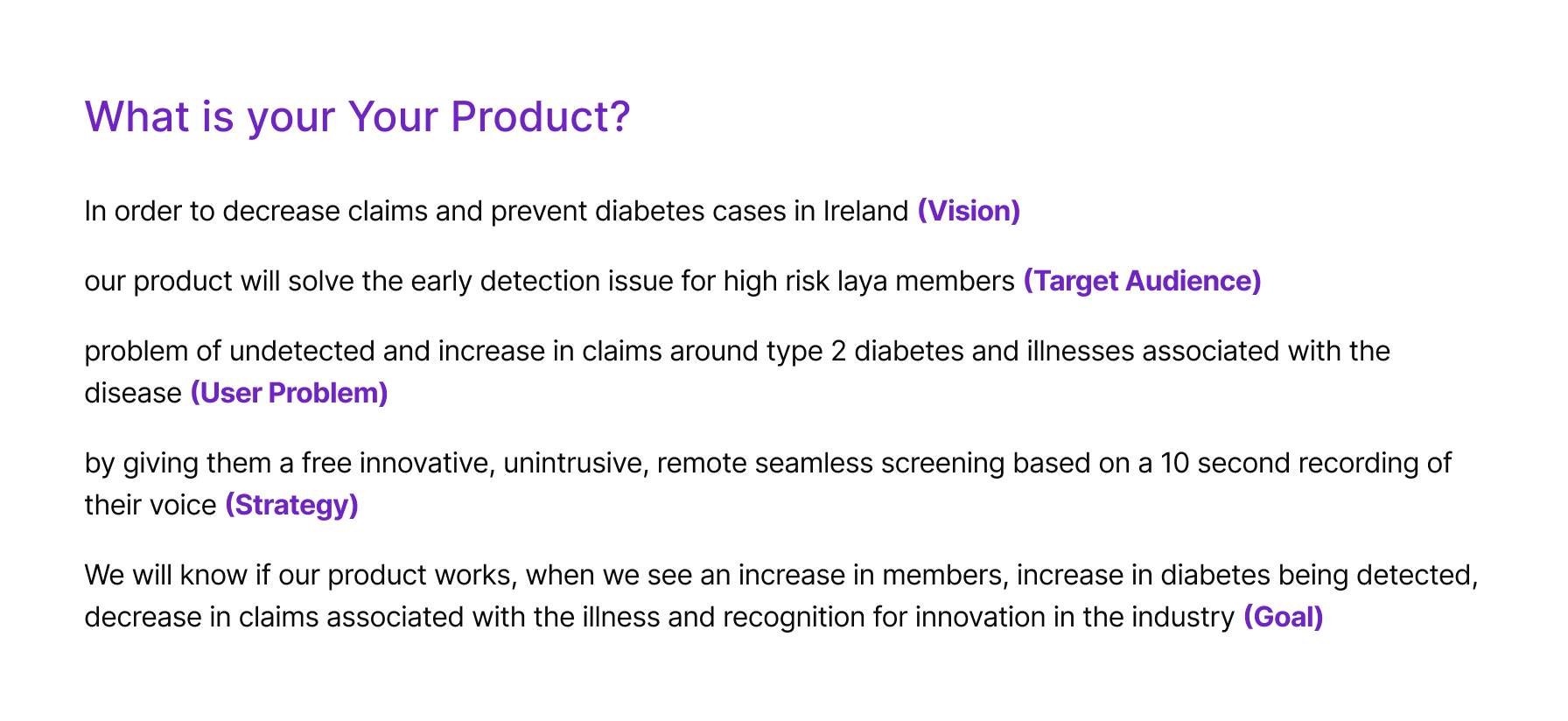
The product is a preventative health screening tool that leverages AI to analyse vocal biomarkers associated with Type 2 diabetes risk.
It is designed as:
- An embedded feature, not a standalone product
- A continuous screening layer across existing touchpoints
- A data-driven decision support tool for both users and healthcare providers
♟Strategic Objectives
- Align with broader healthcare strategies focused on prevention over treatment
- Support the organisation’s digital transformation roadmap
- Enhance member engagement and retention through value-added services
- Introduce innovation that strengthens competitive differentiation
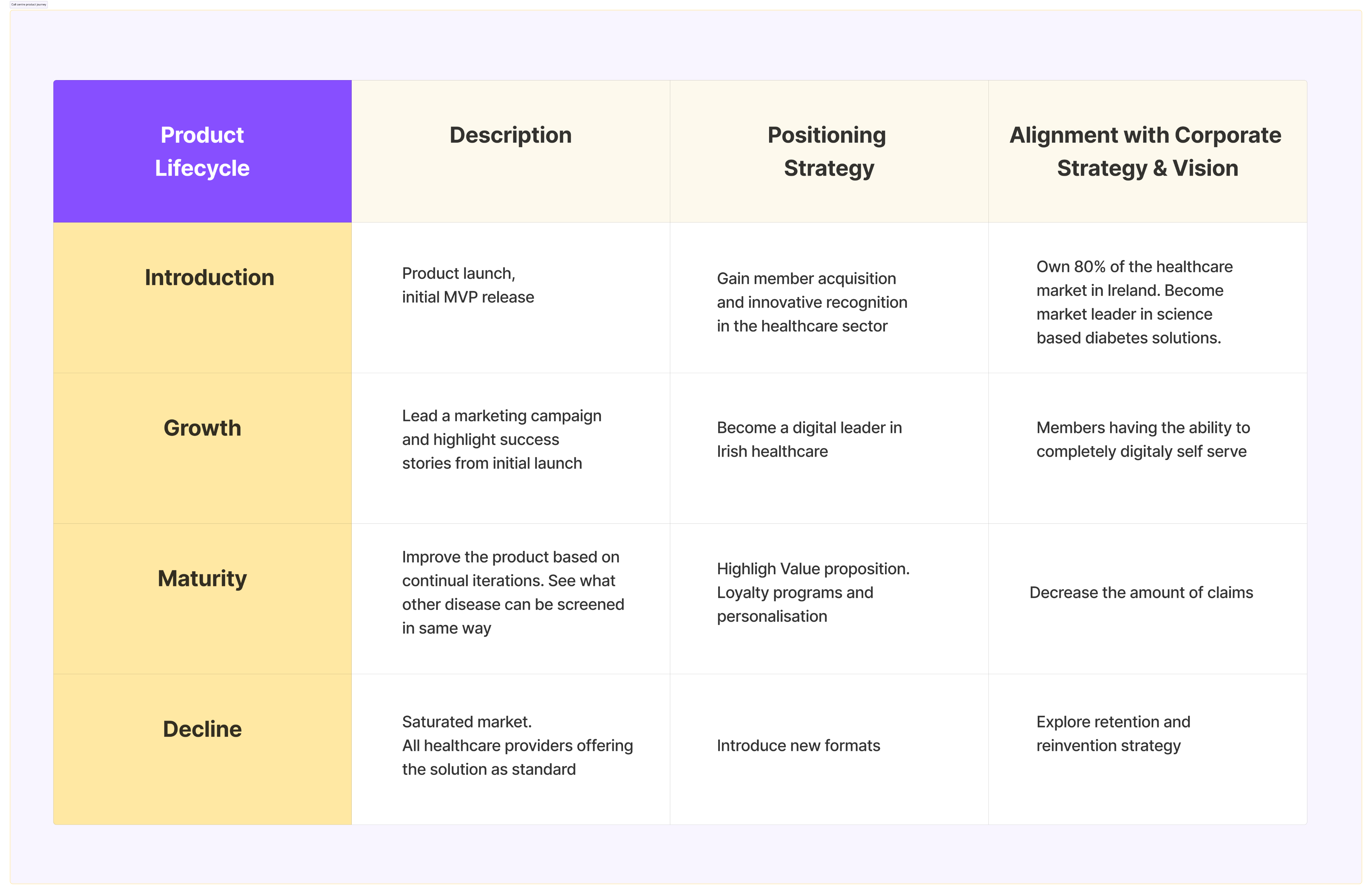
The product lifecycle spans from early awareness and passive screening through to potential referral and diagnosis—integrating naturally into the member journey.
🎛️ ️Business Model Overview
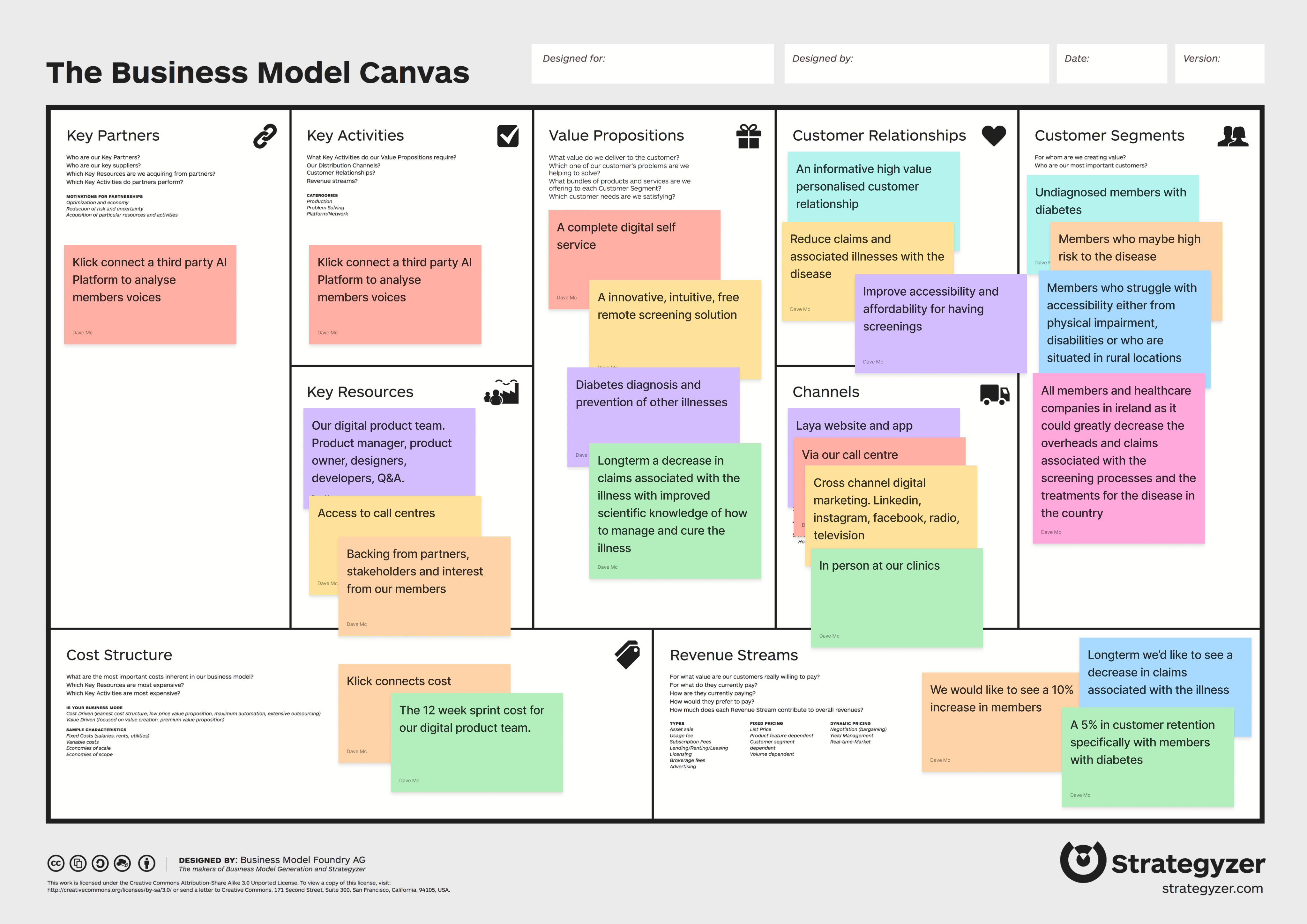
The value model is embedded within the existing healthcare plan structure, meaning:`
- No direct cost to the user at point of use
- ROI driven by reduced claims and operational efficiencies
- Strategic value created through innovation, data insights, and preventative care
`
Key elements include:`
- Partners: AI research providers, healthcare professionals
- Activities: Model development, integration, validation, governance
- Resources: Data infrastructure, AI capability, customer platforms
- Value Proposition: Early detection, reduced friction, improved outcomes
👨💼🧑💼 User Persona
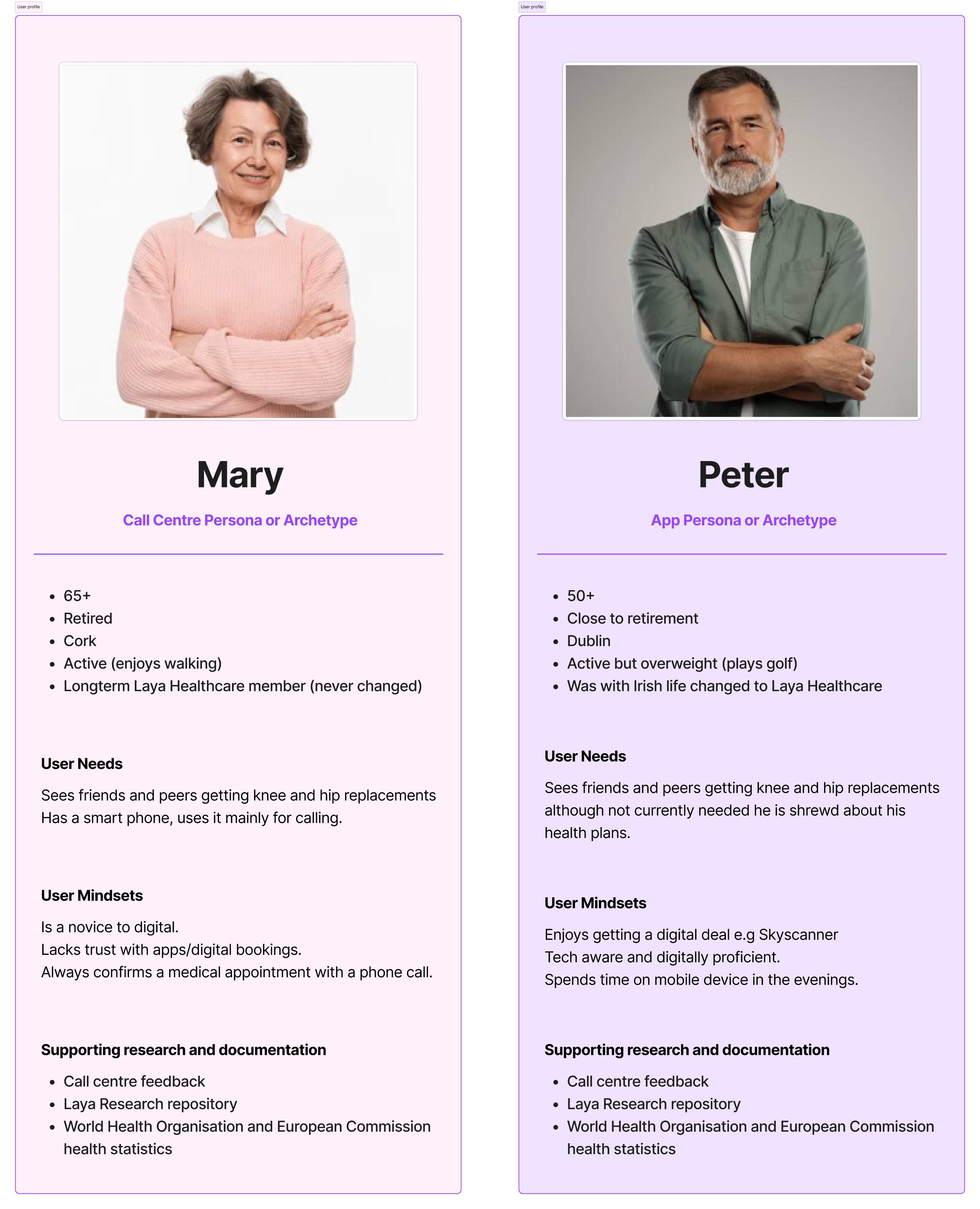
To ensure the product delivers value across key touchpoints, I developed representative personas reflecting both member demographics and behavioural patterns within the healthcare ecosystem.

Reflection
This project strengthened my ability to think beyond interface design and into end-to-end product strategy—balancing user needs, business goals, and technical feasibility.
It reinforced the importance of:
- Designing for real-world systems and constraints
- Communicating complex ideas clearly to diverse stakeholders
- Building products that are not only innovative, but viable and scalable