Cayman Jack

Augmented Reality

User Research / Ai Research / User Interface

🚀 Background

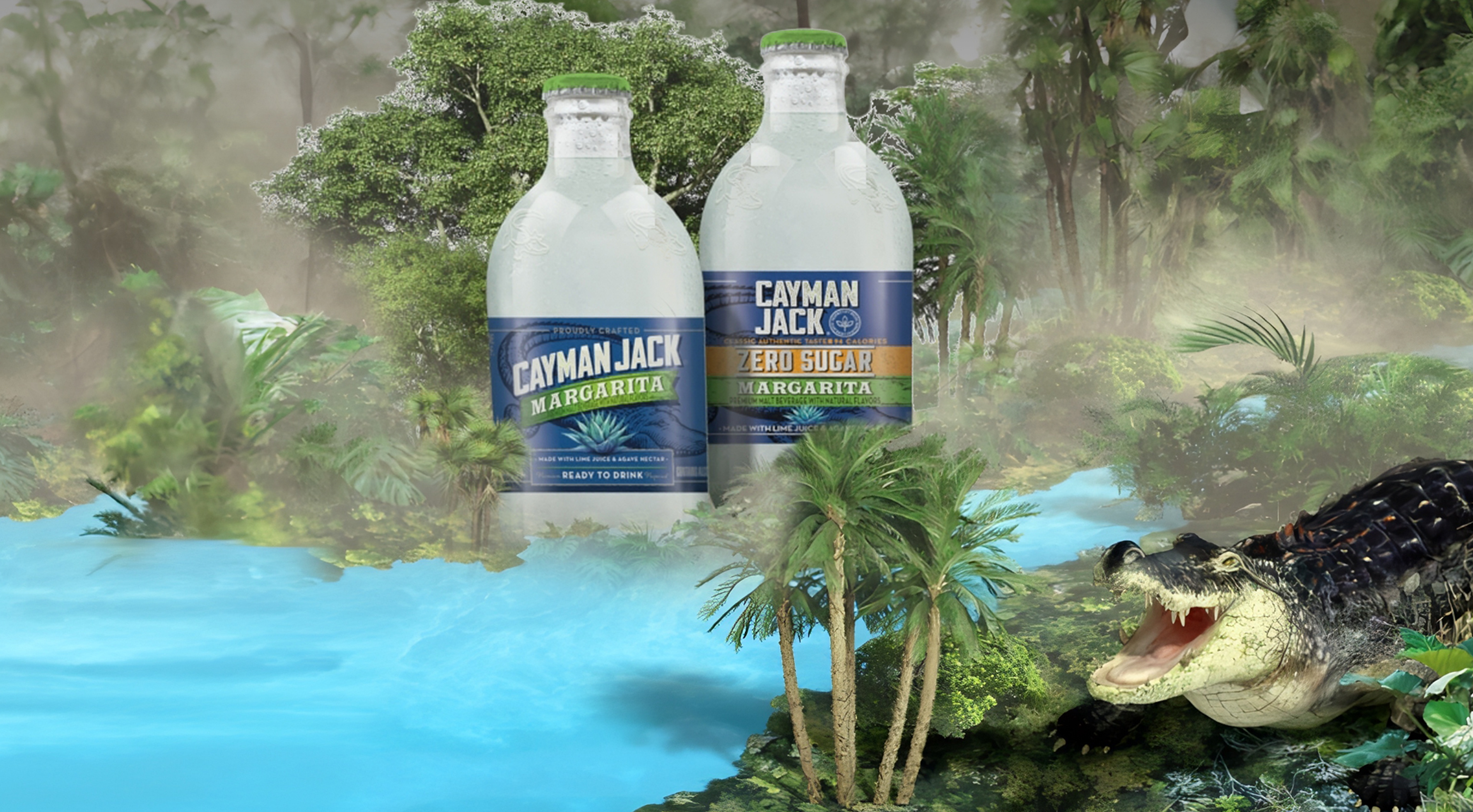
Cayman Jack and Atlas Obscura set out to create an augmented reality experience that would centre around a once-in-a-lifetime holiday sweepstake. Both partners were intentionally open in how this could be executed, but there was a clear emphasis on ensuring the experience reflected the authenticity of each destination while staying true to the Cayman Jack brand.

Timeline - 6 WeeksTools - Photoshop, Blender, ChatGPT, Photoshop

Goal

create an Augmented Reality experience that includes a once in a lifetime holiday sweepstake.

🧠 Ideation

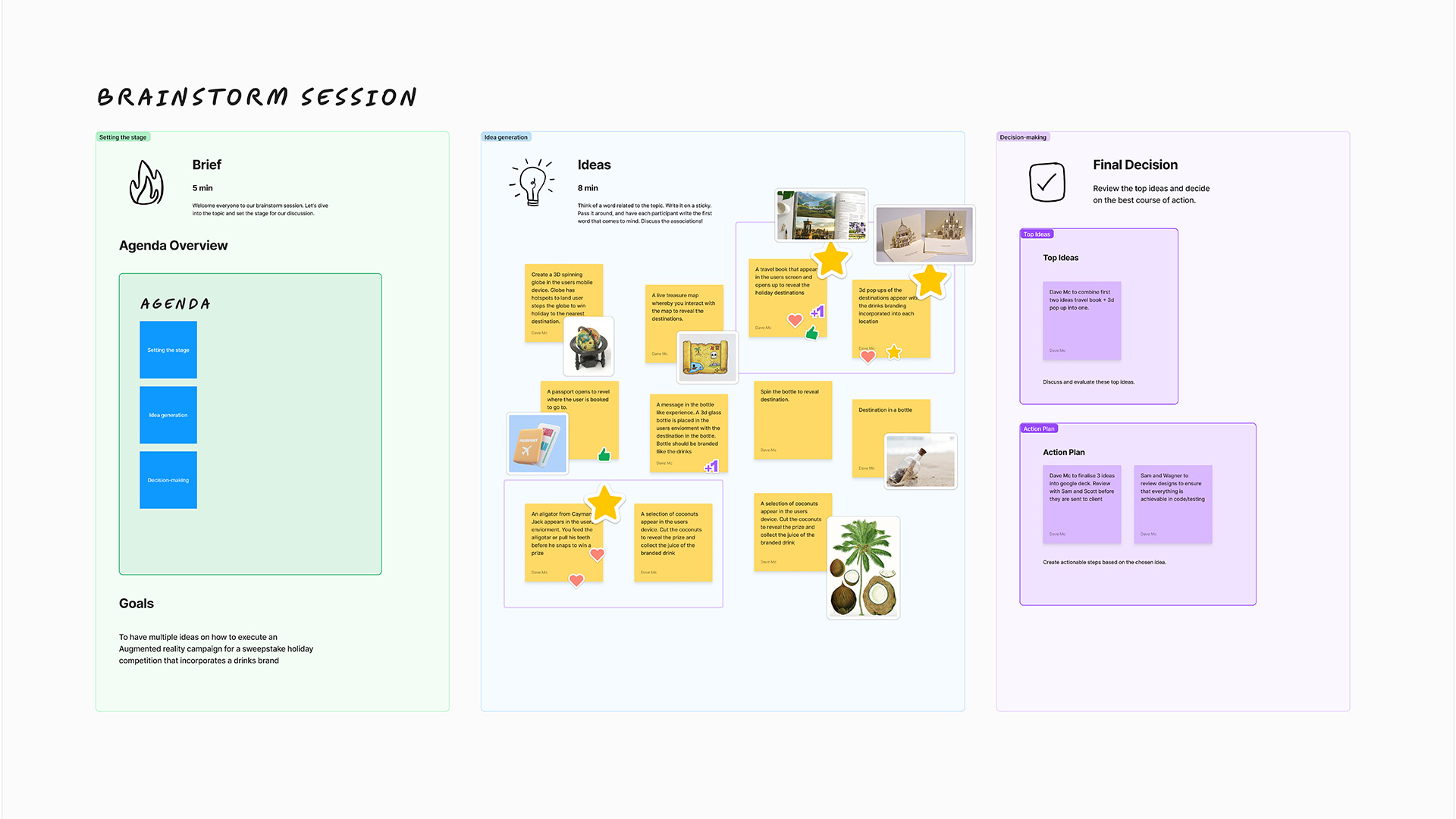
The project began with a focused design huddle involving a Creative Director, Associate Creative Director and three designers. Using a FigmaJam board, each team member was given a short, time-boxed window to generate ideas independently. This encouraged instinctive thinking and a wide range of responses to the brief.

​

Following this, the ideas were reviewed collectively and organised into an affinity diagram. Common themes began to emerge, which were then refined and supported with references to help visualise potential directions. At this stage, ideas were also evaluated against the client’s requirements and the technical considerations of a WebAR environment.
💡 Concepts

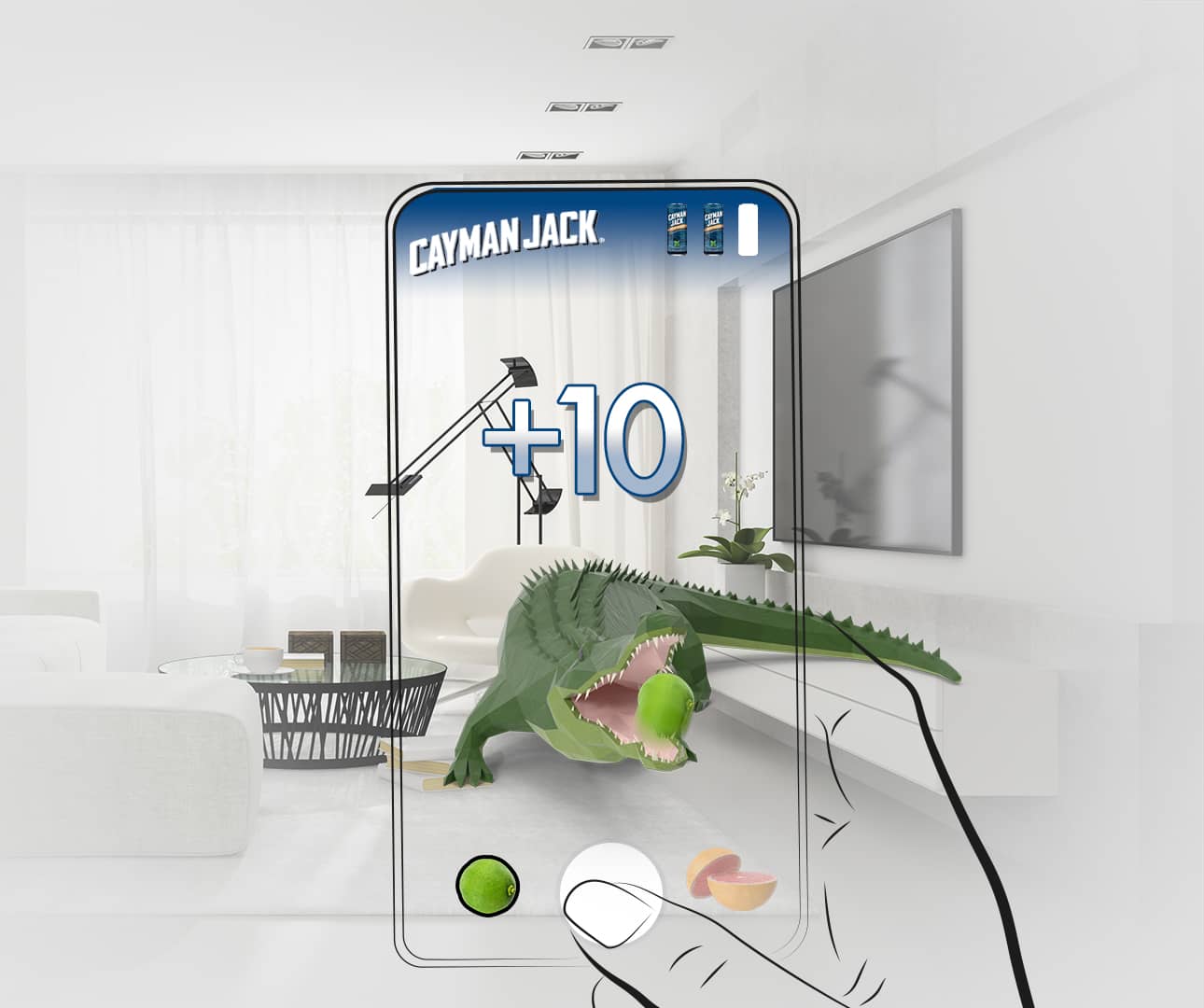
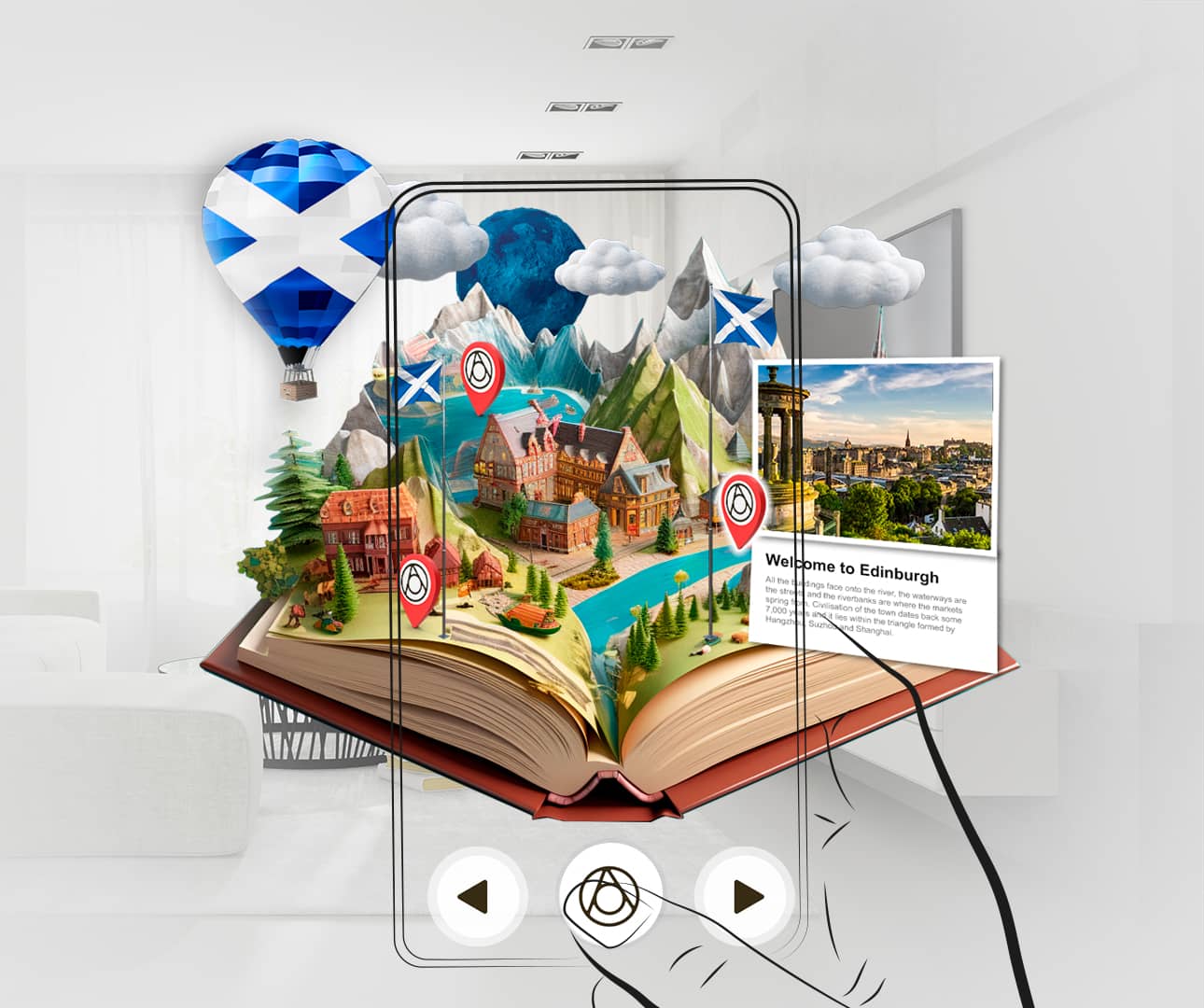
Two primary concepts were explored. The first was a more playful, gamified idea involving a 3D crocodile that interacts with and consumes fruit, representing the drink’s ingredients and flavours. The second concept centred around an augmented reality travel book that users could open, with each page revealing different destinations.

​

Both directions were considered viable, however the travel book was ultimately selected. It provided a stronger platform for storytelling and allowed the destinations to be showcased in a more considered and visually rich way, while also aligning closely with Atlas Obscura’s tone of discovery.
🎢 User Journey

A client-facing journey board was created to map out the experience from entry through to completion. This outlined how users would access the experience, the key interaction points within the AR environment, and where the sweepstake and e-commerce elements would be introduced.

​

The journey was designed to feel progressive, with each stage revealing new content while maintaining clarity around what the user needed to do next. Visual references were also included to help define how locations and key moments within the experience should appear.

Photo of rows of books in a library with marble busts.

📱 Prototype

The experience was developed as a WebAR solution, allowing users to access it directly through their mobile browser without the need for an app. This ensured accessibility across both iOS and Android devices.

​

UX and UI screens were created for each stage of the journey, followed by a working prototype delivered via a test link. Atlas Obscura were encouraged to share this internally, allowing teams to experience the product in real-world conditions and provide feedback ahead of launch.

Outcomes & Learnings

Permissions / TrustInitial testing highlighted the importance of clearly communicating the need for camera and motion permissions, which are essential for AR experiences. Additional onboarding steps were introduced to guide users through this process and reduce early drop-off.

​

AR Engagement rulesFrom a behavioural perspective, users responded positively to the interactive nature of the experience. The combination of light gamification and narrative progression resulted in strong engagement, with increased time spent, return visits and sharing when compared to more traditional social campaigns.InnovationOverall, the project demonstrated how immersive technology, when paired with a clear user journey and strong narrative, can create a more engaging and memorable brand experience.

David McLoughlin

Digital Designer

Projects

Skyscanner

Ava

TalkType 2

Design Engineer Ai

Socials

Linkedin

Github

Instagram

Figma Community

Contact

Full details

+353 85 237 8088

+44 (0) 7913 905092

david@1604designs.com

1604designs.com

© 2026 All Rights Reserved

Cayman Jack

Augmented Reality

User Research / Ai Research / User Interface

🚀 Background

Cayman Jack and Atlas Obscura set out to create an augmented reality experience that would centre around a once-in-a-lifetime holiday sweepstake. Both partners were intentionally open in how this could be executed, but there was a clear emphasis on ensuring the experience reflected the authenticity of each destination while staying true to the Cayman Jack brand.

Timeline - 6 WeeksTools - Photoshop, Blender, ChatGPT, Photoshop

Goal

create an Augmented Reality experience that includes a once in a lifetime holiday sweepstake.

🧠 Ideation

The project began with a focused design huddle involving a Creative Director, Associate Creative Director and three designers. Using a FigmaJam board, each team member was given a short, time-boxed window to generate ideas independently. This encouraged instinctive thinking and a wide range of responses to the brief.

​

Following this, the ideas were reviewed collectively and organised into an affinity diagram. Common themes began to emerge, which were then refined and supported with references to help visualise potential directions. At this stage, ideas were also evaluated against the client’s requirements and the technical considerations of a WebAR environment.

💡 Concepts

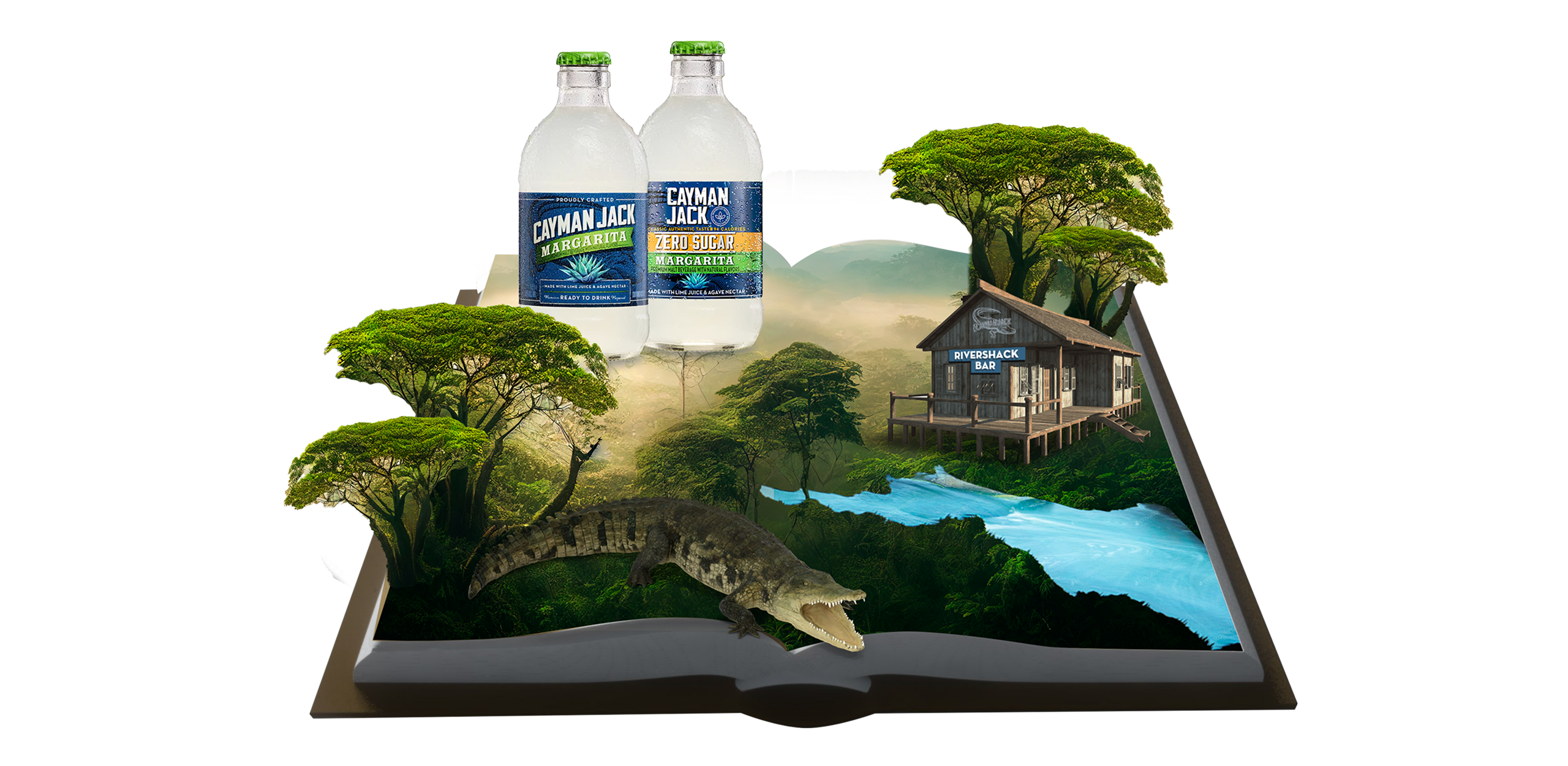
Two primary concepts were explored. The first was a more playful, gamified idea involving a 3D crocodile that interacts with and consumes fruit, representing the drink’s ingredients and flavours. The second concept centred around an augmented reality travel book that users could open, with each page revealing different destinations.

​

Both directions were considered viable, however the travel book was ultimately selected. It provided a stronger platform for storytelling and allowed the destinations to be showcased in a more considered and visually rich way, while also aligning closely with Atlas Obscura’s tone of discovery.
🎢 User Journey

A client-facing journey board was created to map out the experience from entry through to completion. This outlined how users would access the experience, the key interaction points within the AR environment, and where the sweepstake and e-commerce elements would be introduced.

​

The journey was designed to feel progressive, with each stage revealing new content while maintaining clarity around what the user needed to do next. Visual references were also included to help define how locations and key moments within the experience should appear.
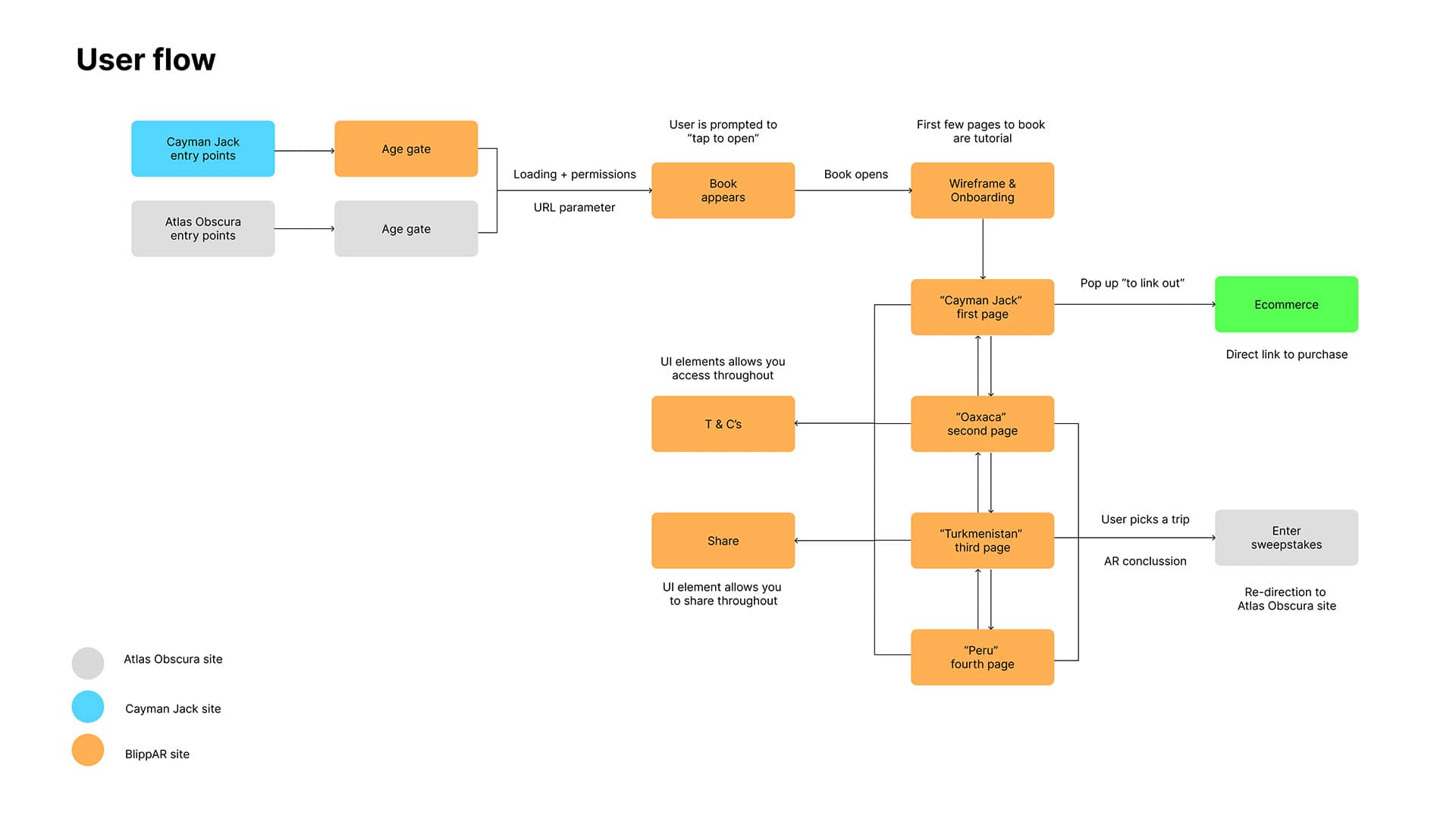
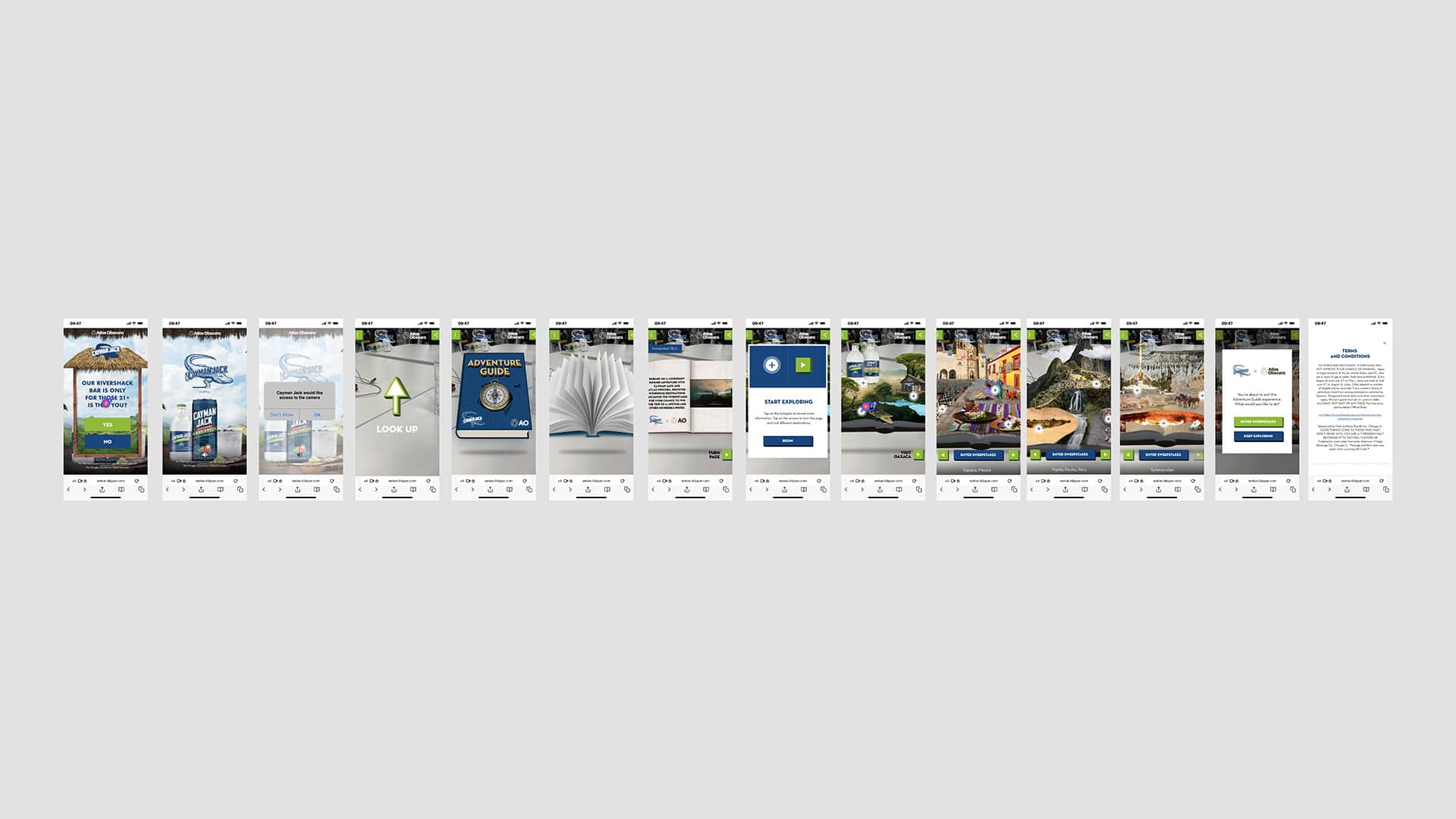
Photo of rows of books in a library with marble busts.

📱 Prototype

The experience was developed as a WebAR solution, allowing users to access it directly through their mobile browser without the need for an app. This ensured accessibility across both iOS and Android devices.

​

UX and UI screens were created for each stage of the journey, followed by a working prototype delivered via a test link. Atlas Obscura were encouraged to share this internally, allowing teams to experience the product in real-world conditions and provide feedback ahead of launch.

Outcomes & Learnings

Permissions / TrustInitial testing highlighted the importance of clearly communicating the need for camera and motion permissions, which are essential for AR experiences. Additional onboarding steps were introduced to guide users through this process and reduce early drop-off.

​

AR Engagement rulesFrom a behavioural perspective, users responded positively to the interactive nature of the experience. The combination of light gamification and narrative progression resulted in strong engagement, with increased time spent, return visits and sharing when compared to more traditional social campaigns.InnovationOverall, the project demonstrated how immersive technology, when paired with a clear user journey and strong narrative, can create a more engaging and memorable brand experience.
David McLoughlin

Digital Designer

Projects

Skyscanner

Ava

TalkType 2

Design Engineer Ai

Socials

Linkedin

Github

Instagram

Figma Community

Contact

Full details

+353 85 237 8088

+44 (0) 7913 905092

david@1604designs.com

1604designs.com

© 2026 All Rights Reserved

Cayman Jack

Augmented Reality

User Research / Ai Research / User Interface

🚀 Background

Cayman Jack and Atlas Obscura set out to create an augmented reality experience that would centre around a once-in-a-lifetime holiday sweepstake. Both partners were intentionally open in how this could be executed, but there was a clear emphasis on ensuring the experience reflected the authenticity of each destination while staying true to the Cayman Jack brand.

Timeline - 6 WeeksTools - Photoshop, Blender, ChatGPT, Photoshop

Goal

create an Augmented Reality experience that includes a once in a lifetime holiday sweepstake.

🧠 Ideation

The project began with a focused design huddle involving a Creative Director, Associate Creative Director and three designers. Using a FigmaJam board, each team member was given a short, time-boxed window to generate ideas independently. This encouraged instinctive thinking and a wide range of responses to the brief.

​

Following this, the ideas were reviewed collectively and organised into an affinity diagram. Common themes began to emerge, which were then refined and supported with references to help visualise potential directions. At this stage, ideas were also evaluated against the client’s requirements and the technical considerations of a WebAR environment.

💡 Concepts

Two primary concepts were explored. The first was a more playful, gamified idea involving a 3D crocodile that interacts with and consumes fruit, representing the drink’s ingredients and flavours. The second concept centred around an augmented reality travel book that users could open, with each page revealing different destinations.

​

Both directions were considered viable, however the travel book was ultimately selected. It provided a stronger platform for storytelling and allowed the destinations to be showcased in a more considered and visually rich way, while also aligning closely with Atlas Obscura’s tone of discovery.

🎢 User Journey

A client-facing journey board was created to map out the experience from entry through to completion. This outlined how users would access the experience, the key interaction points within the AR environment, and where the sweepstake and e-commerce elements would be introduced.

​

The journey was designed to feel progressive, with each stage revealing new content while maintaining clarity around what the user needed to do next. Visual references were also included to help define how locations and key moments within the experience should appear.

Photo of rows of books in a library with marble busts.

📱 Prototype

The experience was developed as a WebAR solution, allowing users to access it directly through their mobile browser without the need for an app. This ensured accessibility across both iOS and Android devices.

​

UX and UI screens were created for each stage of the journey, followed by a working prototype delivered via a test link. Atlas Obscura were encouraged to share this internally, allowing teams to experience the product in real-world conditions and provide feedback ahead of launch.

Outcomes & Learnings

Permissions / TrustInitial testing highlighted the importance of clearly communicating the need for camera and motion permissions, which are essential for AR experiences. Additional onboarding steps were introduced to guide users through this process and reduce early drop-off.

​

AR Engagement rulesFrom a behavioural perspective, users responded positively to the interactive nature of the experience. The combination of light gamification and narrative progression resulted in strong engagement, with increased time spent, return visits and sharing when compared to more traditional social campaigns.InnovationOverall, the project demonstrated how immersive technology, when paired with a clear user journey and strong narrative, can create a more engaging and memorable brand experience.

David McLoughlin

Digital Designer

Projects

Skyscanner

Ava

TalkType 2

Design Engineer Ai

Socials

Linkedin

Github

Instagram

Figma Community

Contact

Full details

+353 85 237 8088

+44 (0) 7913 905092

david@1604designs.com

1604designs.com

© 2026 All Rights Reserved